
Summary
- Campaign: “McAloo Tikki – Boyfriend/Girlfriend” (2011).
- Brand: McDonald’s India (DDB Mudra Group).
- Focus: Positioning the McAloo Tikki as an accessible, high-value treat that delivers pure, simple joy for pocket money prices (₹25).
- Core Message: Genuine affection does not require high-maintenance demands—sometimes all it takes is a humble ₹25 burger to bring people together.
- Key Insight: Children navigating adult social concepts like “dating” with complete innocence provides an instant emotional hook. By framing a ₹25 price point through the eyes of two kids discussing relationship expectations, McDonald’s turned a budget menu item into a warm, relatable cultural moment.
Ad Plot
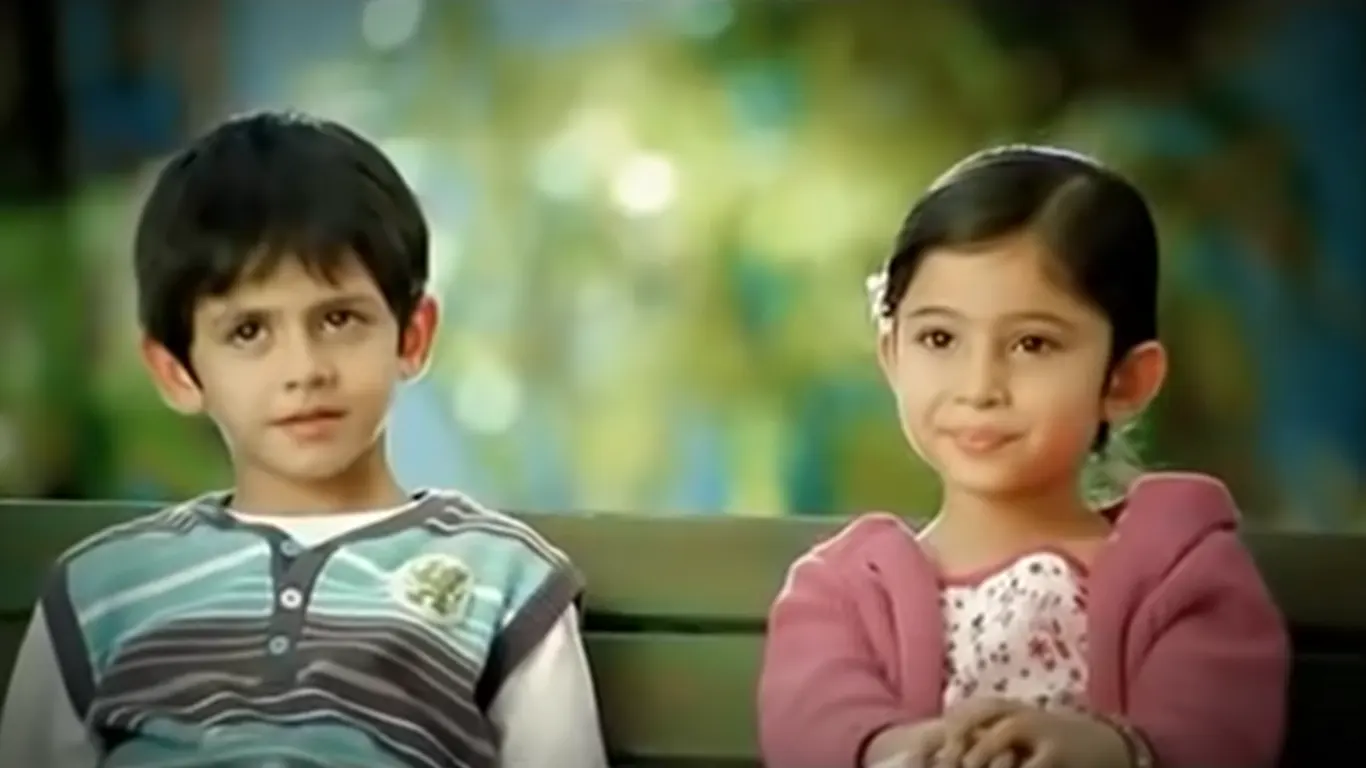
The commercial opens inside a park. The camera focuses on two young kids sitting opposite each other at a park bench, their feet barely reaching the floor. Among them is a six-year-old Sara Arjun, looking up with wide, innocent eyes.
The narrative kicks off when Sara casually asks her companion a surprisingly heavy question: “Hum dono boyfriend-girlfriend hain kya?” (Are we boyfriend-girlfriend?).
The young boy hesitates, looking slightly overwhelmed by the proposition. He shakes his head and explains his reasoning with serious childhood conviction: girlfriends are far too demanding, expect constant gifts, and are generally high-maintenance hassle. Sara looks disappointed by his sharp rejection. After a quiet pause, she softly replies, “Mujhe toh bas McAloo Tikki chahiye thi…” (I just wanted a McAloo Tikki…).
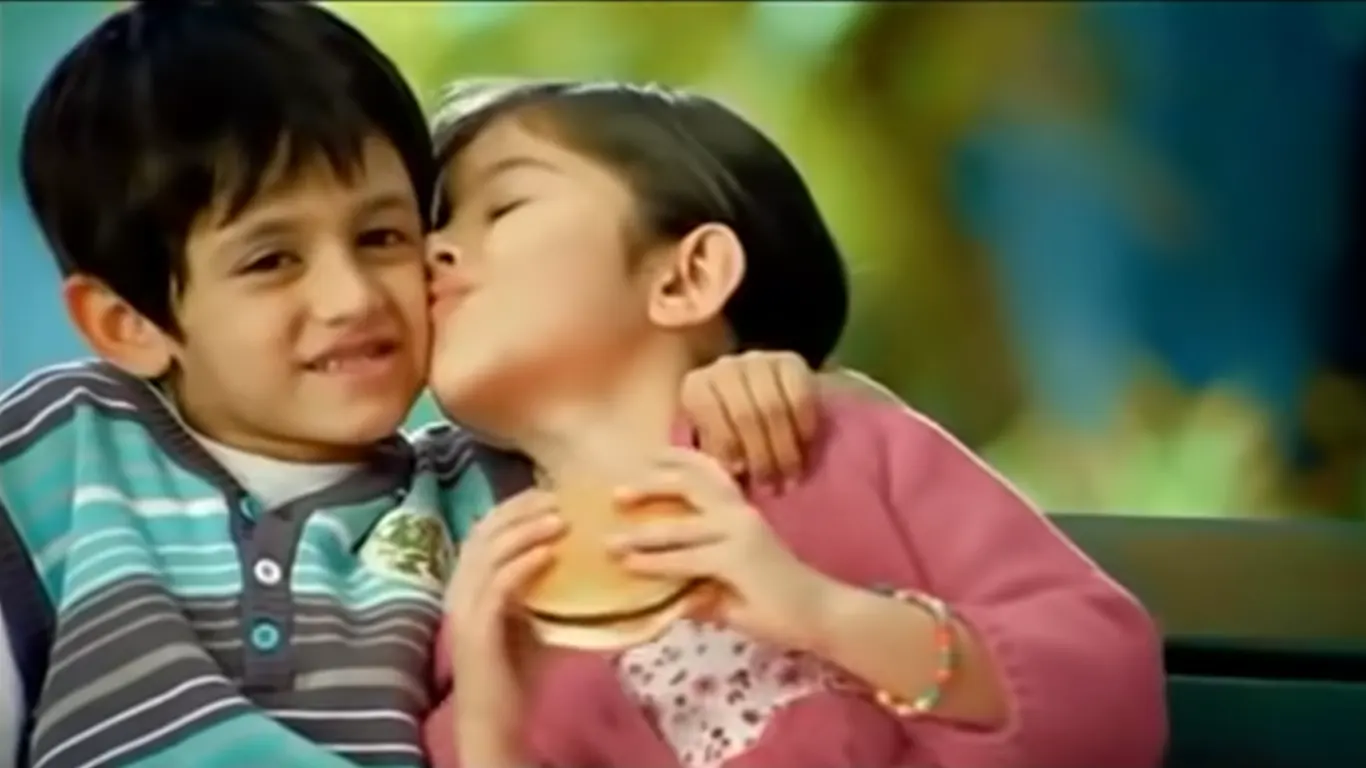
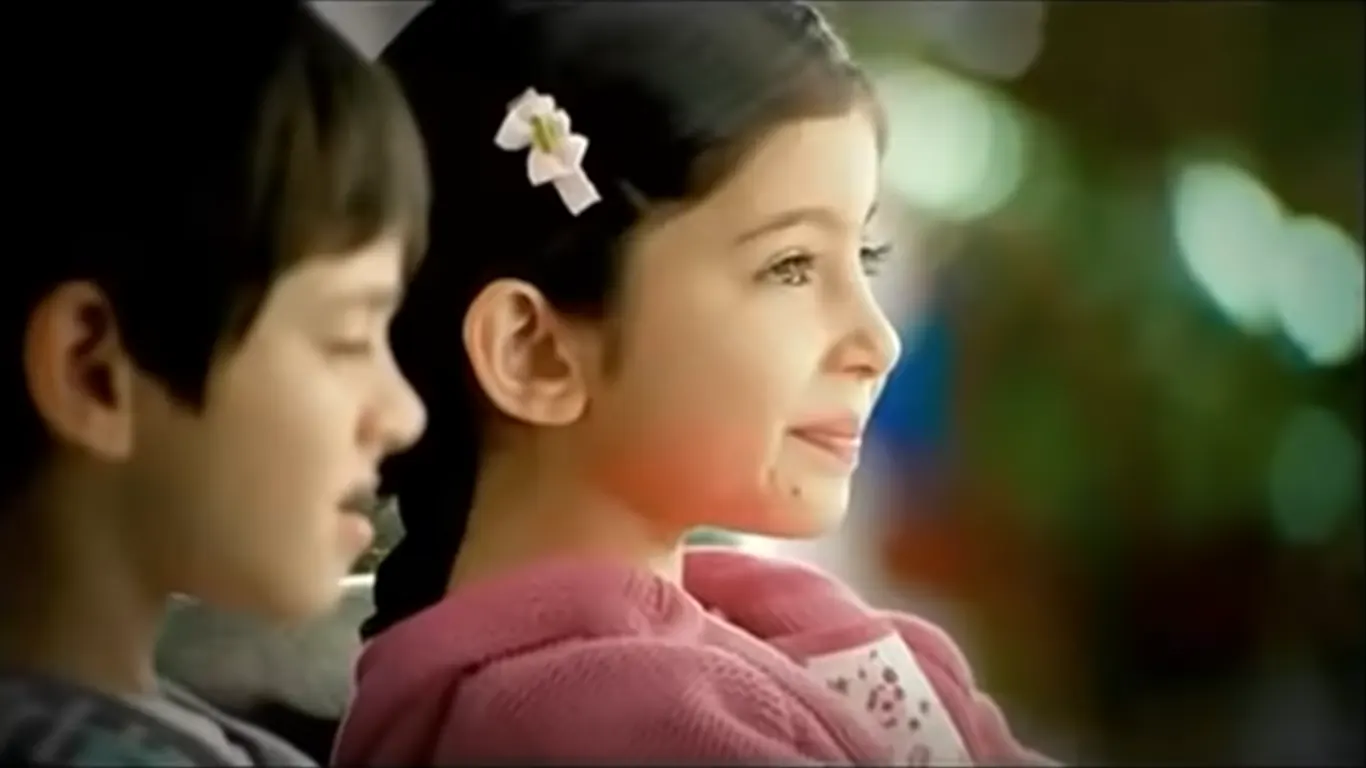
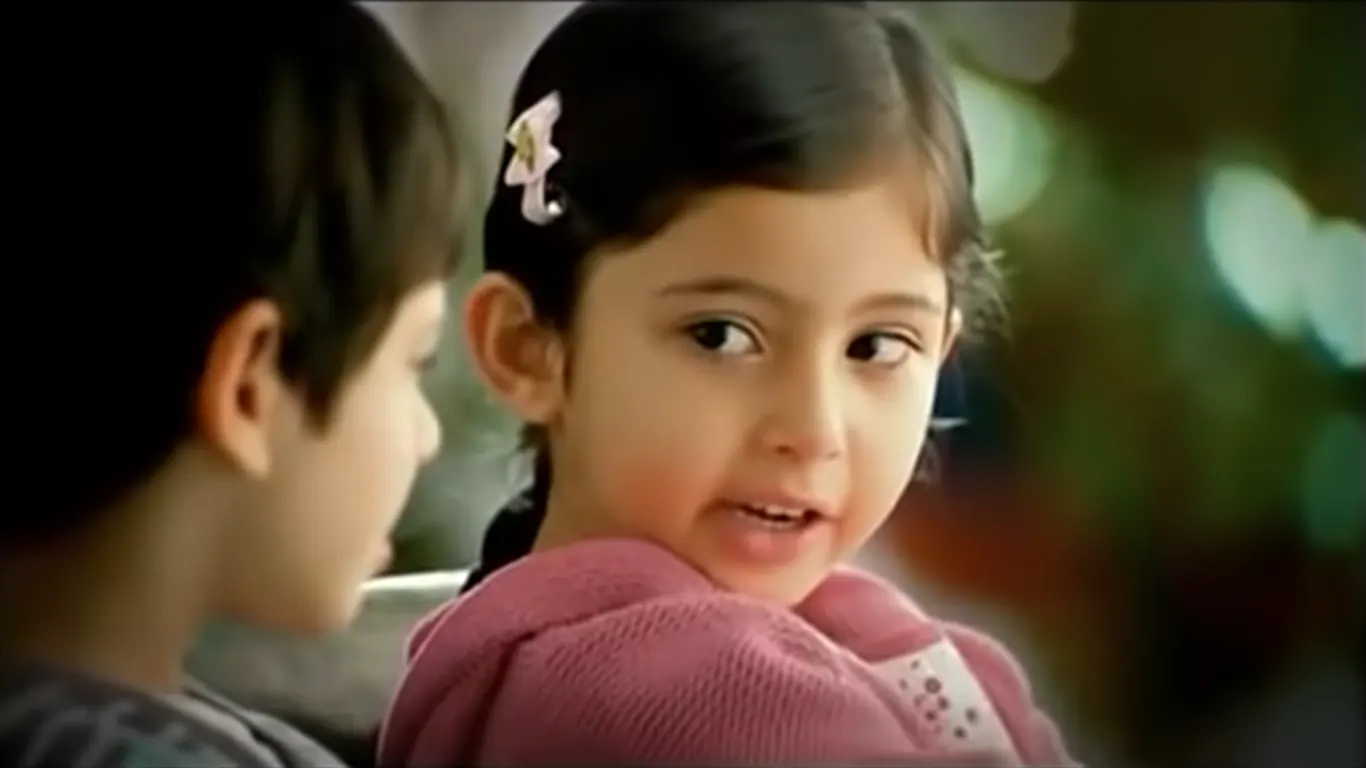
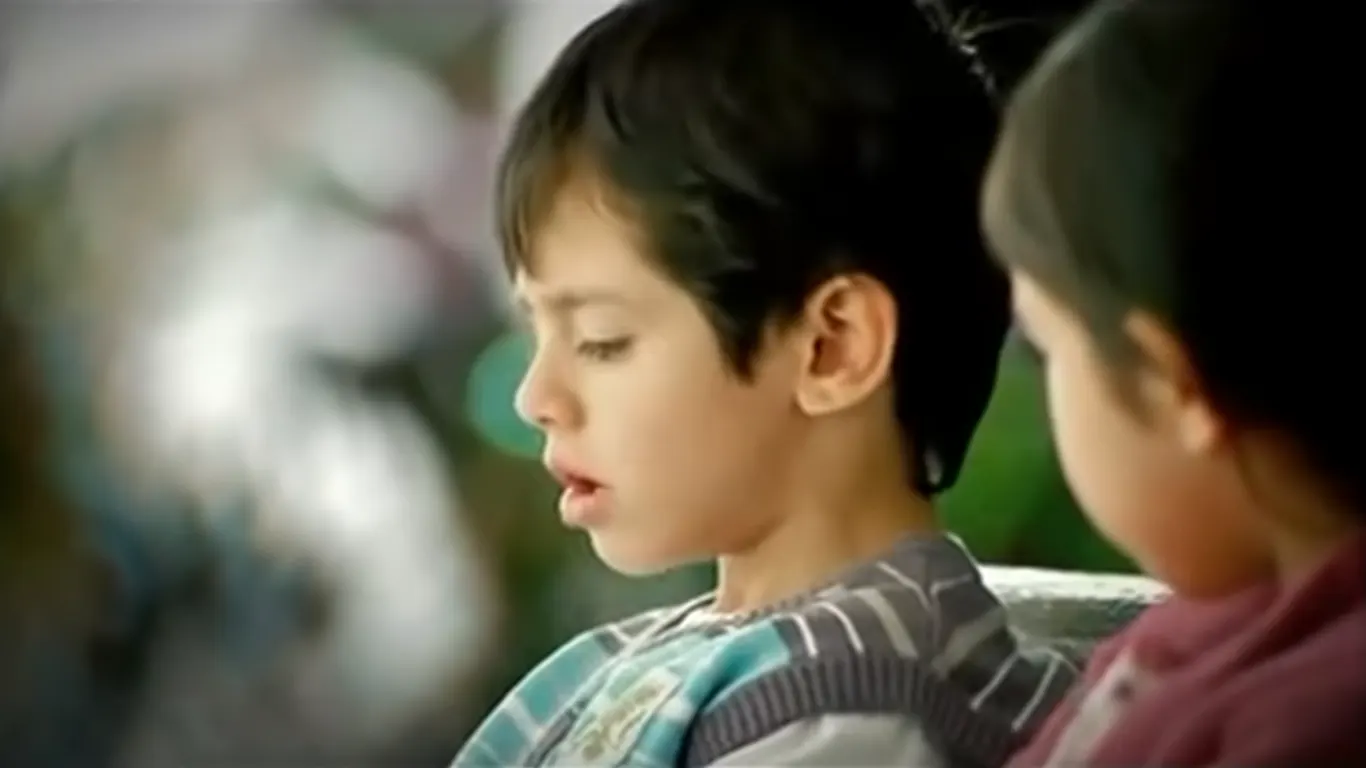
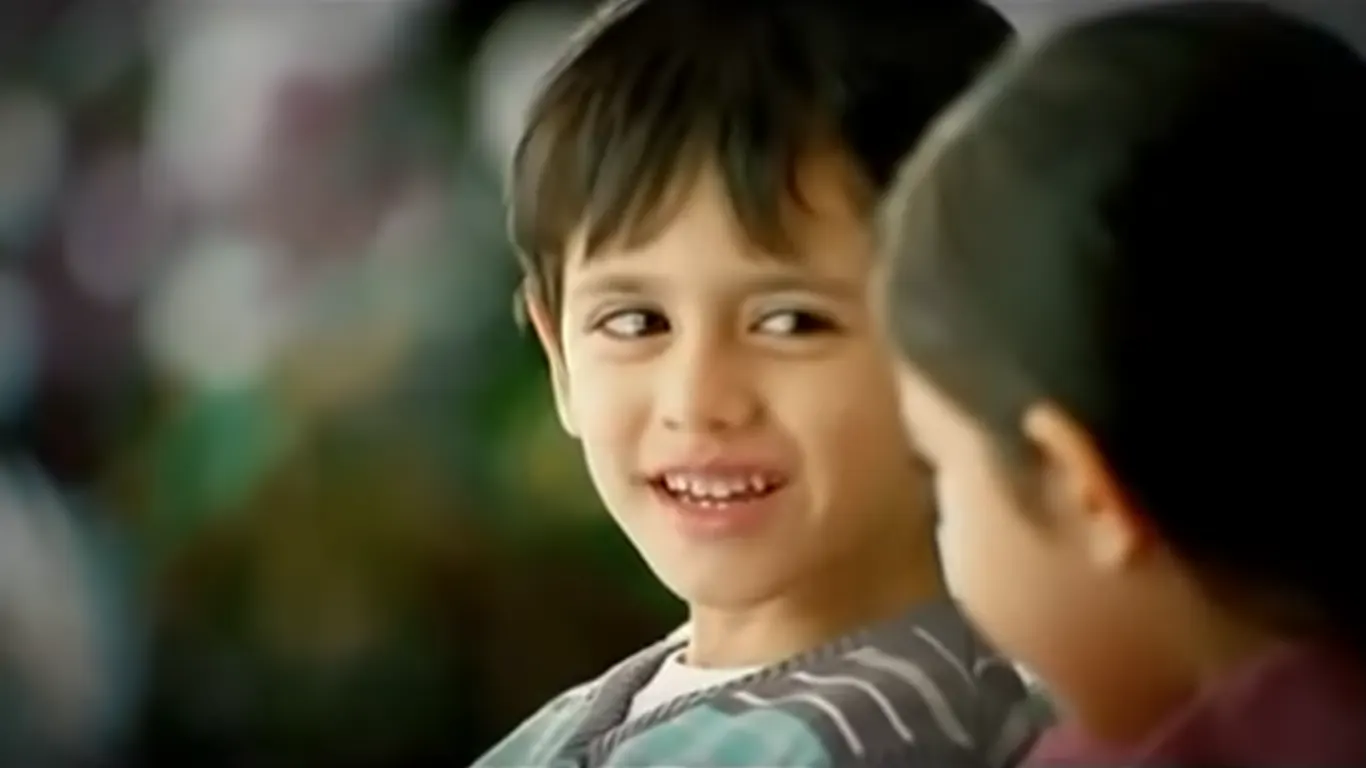
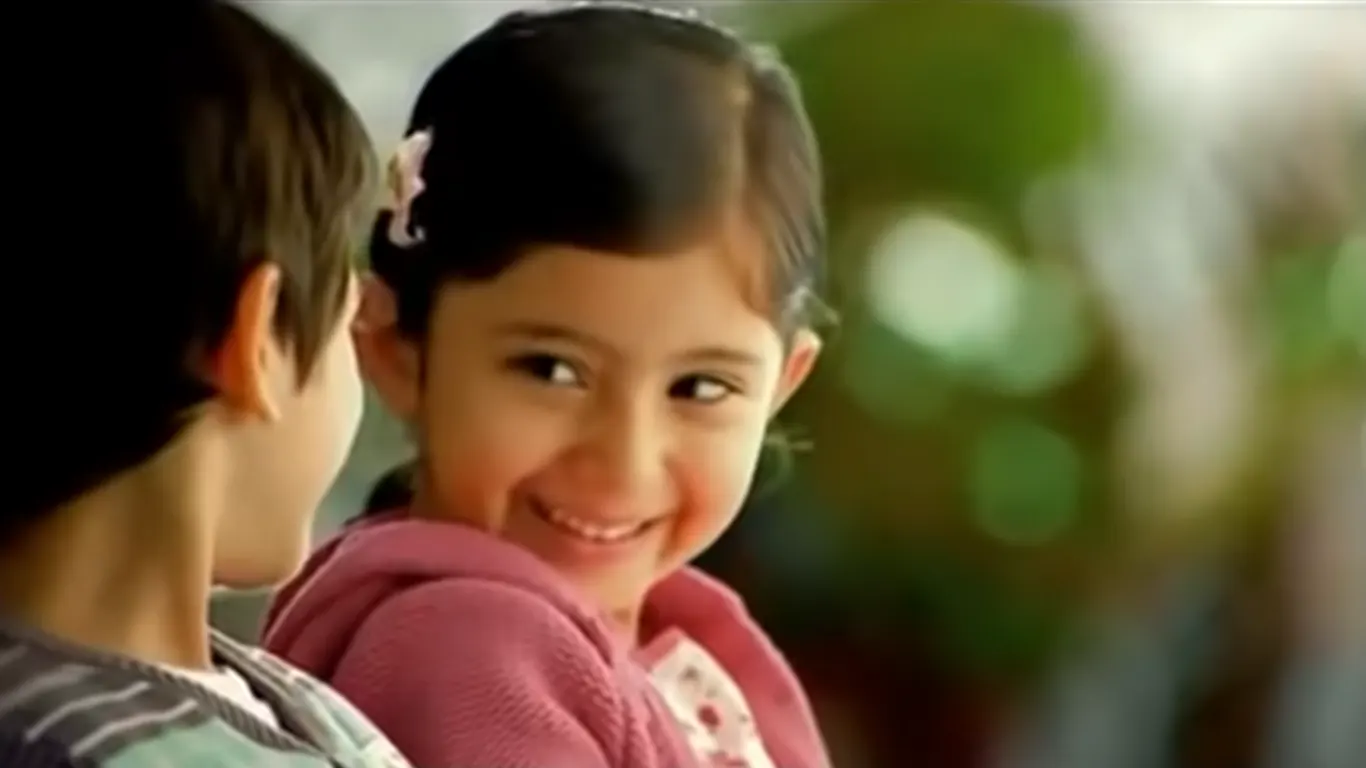
Realising that her expectations were extraordinarily simple the boy’s posture softens. He smiles, relieved that he can easily fulfill such a low-stakes request. The commercial cuts to the voiceover highlighting the ₹25 price point for the McAloo Tikki burger, concluding with the iconic tagline “I’m loving it” as the two kids happily share their meal.
Reception & Recall
The 2011 spot became one of the most loved and widely recognized fast-food commercials on Indian television during the decade.
- Breakout Stardom for Child Actors: Little Sara Arjun’s expressive delivery and endearing charm captured the hearts of millions across the country. Her line about simply wanting a McAloo Tikki became an instant catchphrase among schoolkids, teenagers, and young adults alike.
- Price-Point Storytelling: Marketing experts praised DDB Mudra for selling a budget price point without making the product feel cheap or inferior. Wrapping a ₹25 price tag inside a story about childhood innocence made the value feel warm, emotional, and satisfying.
- Cultural Mnemonic: The ad established the McAloo Tikki as the ultimate entry-level comfort food for the Indian consumer. It cemented the idea that McDonald’s is a space where friendships begin over simple, shared snacks.
- Foundational Brand Heritage: The commercial was so memorable that 15 years later, McDonald’s brought a grown-up Sara Arjun back as their official brand ambassador in 2026 to recreate the exact dialogue in the “Khaao Meal Baant Ke” campaign, completing a historic full-circle moment for Indian advertising.